How to measure & choose the right compression.
Graduated compression garments only work when the pressure gradient matches your exact leg dimensions. Learn how to take accurate morning measurements and find the right pressure level.
Why precise measurement is essential
Graduated compression stockings are engineered to apply 100% of their intended pressure at the ankle, with pressure progressively decreasing up the calf. If a stocking is sized incorrectly, this delicate pressure gradient is disrupted.
Can create a restrictive band (tourniquet effect), trapping blood in the lower foot and increasing skin breakdown risk.
Provides insufficient external hydrostatic support, failing to assist calf muscle pump action and allowing edema to pool.
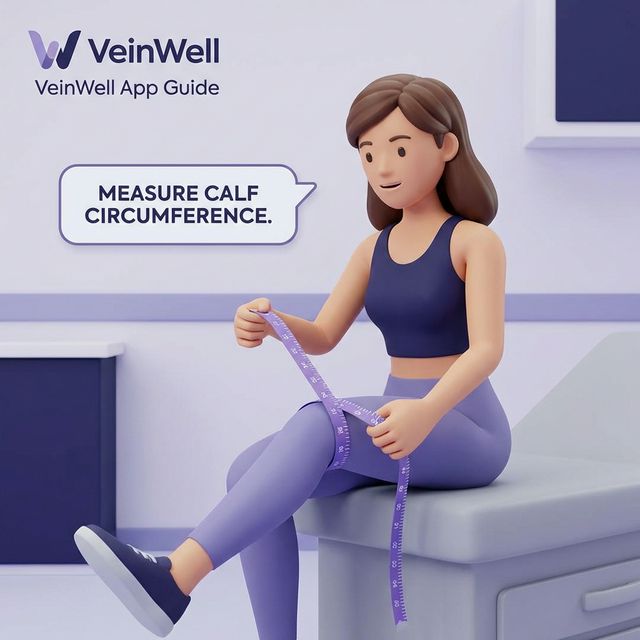
The 3 key anatomical measuring points
Always measure first thing in the morning with a flexible fiberglass measuring tape directly against bare skin.
Narrowest Ankle Circumference
Wrap the tape around the narrowest part of your ankle, just above the ankle bone (malleolus). Keep the tape flat and snug without pinching.
Widest Calf Circumference
Slide the measuring tape up to the fullest, widest circumference of your calf muscle while seated or standing with relaxed weight.
Lower Leg Length
Sit upright with knees bent at 90 degrees. Measure from the floor behind your heel up to two finger-widths below the bend of your knee.
Understanding compression ratings (mmHg)
Compression pressure is measured in millimeters of mercury (mmHg). Here is what each category means.
15–20 mmHg
Mild to Moderate Support
The most popular daily support range. Delivers comfortable graduated pressure to relieve minor leg fatigue, heaviness, and mild travel-related swelling.
Common Applications:
- Prolonged sitting (desk jobs) or standing shifts (retail, nursing, teaching)
- Long airline flights and road travel (>4 hours)
- Athletic recovery and exercise circulation
- Mild spider veins and early leg tiredness
20–30 mmHg
Firm Medical Grade
Medical-grade graduated compression prescribed or recommended by clinicians to manage moderate-to-severe symptoms of chronic venous insufficiency.
Common Applications:
- Visible, bulging varicose veins
- Moderate to severe peripheral edema (swelling)
- Post-sclerotherapy, ablation, or vein procedure recovery
- Management of superficial thrombophlebitis and stasis dermatitis
Best practices for wearing & maintaining compression
Put your stockings on before your feet touch the floor or immediately after your morning shower (dry skin completely first).
Smooth the fabric evenly along your calf. If a stocking is too long, do not roll or fold the top over, as this creates a tourniquet.
Elastic fibers naturally lose tension over time with regular washing. Replace garments every 4 to 6 months to maintain graduated pressure.
Compression Sizing & Care FAQs
Answers to common questions about measuring, wear schedules, and garment maintenance.
Save your measurements in VeinWell
Download the app to record your ankle and calf dimensions, receive morning reminders, and match with verified compression charts.